
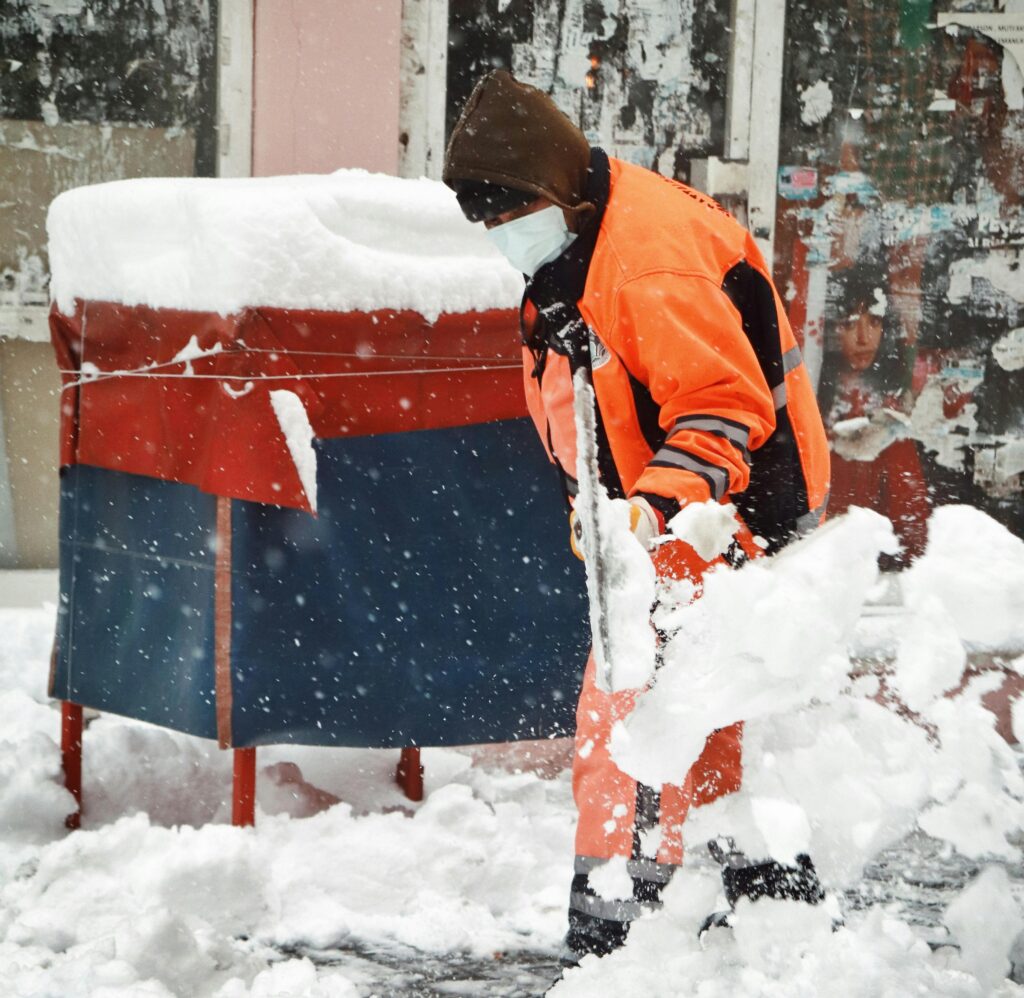
Chicago’s winters present operational challenges that go far beyond simply pushing snow off a path. Rapidly changing conditions, lake effect squalls, and tight urban logistics require expertise specific to the region. A snowstorm in Edgewater may bring a wet, heavy ten inches from the lake, while areas like Oak Brook deal with dry powder and drifting winds. No two zip codes experience snow accumulation the same way, even during the same weather system.
In the city, contractors must obey strict parking and sidewalk ordinances, with fines for blocked access or unshoveled walkways. Commercial properties near transit corridors or in high-traffic business districts risk foot and vehicle injuries if not de-iced promptly. Suburban lots, particularly expansive retail plazas or residential HOAs in towns like Naperville or Schaumburg, face another issue: scale. Deep overnight accumulations make it essential to have heavy-duty plows and salting equipment ready by early morning hours.
Timing is everything. A downtown retail storefront must be cleared before 7 a.m. to meet municipal codes and foot traffic expectations, while a residential site in Palatine might face overnight icing on sloped driveways if neglected. Choosing a company familiar with neighborhood-specific conditions ensures both compliance and safety.
Credentials and Insurance: Non-Negotiables Every Contractor Must Meet
Contractors who operate in the Chicago snow removal industry need more than equipment — they need to meet strict legal and safety requirements. Licensed professionals not only follow city standards but are more likely to operate transparently and reliably. While Illinois doesn’t mandate a state snow removal license, Chicago businesses are expected to register and adhere to commercial licensing norms, particularly if they operate citywide fleets or service public areas.
Liability is a critical concern. Commercial property owners and managers must confirm that their chosen snow company carries sufficient general liability insurance — usually $1 million minimum — to protect against damages or injury. If a plow damages curbs, mailboxes, or landscaping, or someone slips on untreated ice, the legal responsibility may shift unexpectedly without proper coverage in place. Workers’ compensation insurance is another must-have, especially if workers are on foot with blowers or shovels in icy conditions. Without it, injury claims may land on the property owner.
Bonded companies offer another level of protection. A performance bond assures that services promised in a contract will be fulfilled. This is vital for multi-site property managers or HOAs that are counting on full-lot accessibility daily during winter months. Contracts must clearly outline performance thresholds — and vague language is a red flag. For instance, statements like “services provided after two inches of snow at company discretion” can leave properties dangerously inaccessible.
Look for these essentials in any Chicago snow removal service contract:
- Clear service triggers (e.g., “automatic dispatch for any snowfall above 1 inch”)
- Defined service hours (e.g., “completed before 7:30 a.m. on business days”)
- Limits of liability (including what damage is covered and what isn’t)
- Detailed ice management responsibilities and salting frequency
Failing to vet credentials and insurance exposes both residential and commercial property owners to unnecessary financial and safety risks. It’s not just due diligence—it’s protection against winter’s unpredictability.
Match Service Scale to Property Needs: Residential vs. Commercial vs. HOA
Not all snow removal providers are equipped to handle every type of property. A mismatch between a contractor’s scale and your property’s needs leads to poor coverage, late service, and potentially hazardous conditions. Knowing which type of business is built for your job is essential.
Residential-focused providers often work with pickup truck plows, shovels, and small snowblowers suitable for driveways, walkways, and small lots. These are great for homeowners in areas like Logan Square where snow emergencies require clearing tight street-side paths. But if you’re managing a multi-unit property or commercial complex, solo contractors typically don’t have enough fleet power to respond to large-scale accumulation events quickly.
Commercial snow contractors in Chicago — servicing strip malls, hospitals, or distribution centers — bring industrial equipment such as Bobcats, front loaders, and dump trucks. They also offer deeper ice management services using professional-grade salt spreaders, brining systems, and continuous weather monitoring for dispatching ahead of conditions.
Condominium associations and HOAs lie somewhere in between. They need reliable coverage across a network of sidewalks, stairwells, hydrant zones, mail centers, and garages. If your contractor can’t handle snow relocation or doesn’t de-ice entry zones, you may be exposed to liabilities.
Consider two examples:
- Logan Square homeowner: Needs prompt plowing of a single-car alleyway plus treated steps and a cleared sidewalk before 7:30 a.m. A compact utility snow service focused on city terrain, with shovel crews in tow, is ideal.
- Schaumburg retail center owner: Faces a 60,000 sq ft parking lot, 30-foot sidewalks, and multiple entrances. Requires loader-equipped teams, 24-hour dispatching, and salt inventories that can endure back-to-back storms. A commercial-grade snow management provider is not optional — it’s mandatory.
Evaluate not just what’s offered, but whether the company has the scale, equipment, and crews to meet your specific winter care demands.
Response Time, Monitoring, and Communication: Signs of a Reliable Snow Company
Timing makes or breaks a winter service partnership. During snow events, every hour counts — especially when the public must access your site safely by morning. A professional snow removal company in Chicago isn’t just about plows and salt; it’s about systems. Monitoring conditions, pre-storm planning, and real-time communication determine whether your property is safe and clear when it matters most.
Top-tier companies begin weather monitoring long before snow falls. They subscribe to hyper-local forecasting and use radar platforms to anticipate snow onset by zone. For example, a proactive provider might dispatch salt trucks to West Loop at 3 a.m. when radar shows a west-moving band forming — long before flakes hit the ground. This anticipation prevents bonded ice layers that cost more to remove later and increase slip hazards.
Speed of service depends on dispatch organization. Ask prospective providers, “Do you guarantee clearing before 7:00 a.m.?” The best companies commit to fixed response times written in contract. Others operate on vague turnarounds or “first come, first served” lists, which can leave suburban strip malls unplowed until late morning.
Strong communication is another hallmark. After a storm, do they confirm service? Many quality firms now provide service logs with time stamps, GPS tracking, and photos per visit. Some use fleet software that allows you to track progress, receive automatic alerts, or contact dispatch directly. A 2023 survey of commercial property managers by BOMA Chicago found that 68% of the highest-rated snow providers used at least two forms of digital service confirmation post-event.
Alternatively, when storms hit, lesser contractors go silent. Companies lacking dedicated dispatch, crew redundancy, or communication infrastructure left hundreds of clients stranded during the February 2021 Midwest snow event — a costly lesson in negligence. Parking lots went uncleared, entrances iced over, and retail sites lost hours of access — not from equipment failure, but lack of coordination.
Use this key question when interviewing: “If I call you at 5:30 AM after a storm, what happens next?” Their answer will reveal whether they operate reactively — or under a plan. A company that monitors conditions, scales their crew size with storm forecasts, informs clients hourly during events, and documents service is not just reliable — they’re professional-grade.
Cost Structures & Comparing Quotes: What to Ask Before You Sign
Snow removal pricing varies widely between providers and is often difficult to compare head-to-head without understanding contract language. The two most common billing models in the Chicago area are per-push rates and seasonal flat-rate contracts. For homeowners and small businesses with sporadic snow needs, per-push (or per-event) pricing may seem attractive — you pay only when service is rendered. However, these plans can backfire during heavy winters where multiple events occur weekly, causing budget overruns and delayed response.
Commercial property owners and HOAs often prefer fixed seasonal rates, which ensure prioritized service and fixed budgeting even during long, active winters. These contracts frequently include unlimited visits for snowfalls over a set threshold and usually incorporate salting, ice mitigation, and priority queuing for early-morning dispatch.
Key questions to ask in any contract negotiation:
- Does the quote include sidewalk clearing and steps?
- Is salting priced per application, or included in the base rate?
- Will I be charged extra for services on holidays or after-hours?
- Are travel time and snow relocation (if needed) billed separately?
Don’t be misled by lowball quotes that skip essential services. A cheaper proposal that doesn’t de-ice stairs or monitor overnight accumulations can lead to lawsuits, property damage, or operational disruption. Consider this rule: “Three quotes may look similar — until you realize one excludes after-hours storms and one doesn’t monitor conditions at all.” The least risky snow removal service is often the one that covers more, not less.
Final Checklist: Making the Right Call on a Snow Removal Contractor in Chicago
Choosing a reliable snow removal contractor in Chicago or its suburbs isn’t just about availability — it’s about preparation, protection, and performance. Reviewing quotes is only the last step. Before signing any agreement, ensure the provider meets all the following:
- Proven local experience — they should understand lake effect patterns, neighborhood-specific regulations, and urban or suburban logistics
- Proper licensing and insurance — including general liability, workers’ comp, and bonding for added peace of mind
- Matching service scale to property needs — the provider’s equipment, crews, and structure must fit your particular lot or facility type
- Storm-response guarantees — written commitments on timing, monitoring, salting, and crew communication channels
- Transparent cost breakdowns — with no hidden fees for essentials like ice management, walkways, or after-hours work
If you’re reviewing snow removal services in the Chicago suburbs, such as Arlington Heights or Bolingbrook, ask about dispatch zones and equipment locations. Local positioning dramatically affects morning response in widespread events. Likewise, if you own or manage a commercial property downtown, look for providers with specialized crews for congested zones — not just large-lot plows.
In winter facility care, waiting to vet snow contractors until flakes start falling often leads to being low on the list — or left out entirely. Book early, ask the right questions, and ensure your provider treats your site not just as a job, but as a safety-critical operation.
Frequently Asked Questions About Choosing Snow Removal Services in Chicago
- How do I find the best snow removal company in Chicago? Start by filtering for licensed, insured providers with specific experience in your property type. Review past performance during major storms (look for reviews specifically from February 2021 or similar events), and ensure they have the crew size and systems to serve your area reliably (city vs. suburbs).
- What’s the difference between snow removal and snow & ice management? Snow removal refers to plowing and shoveling. Snow and ice management includes salting, brining, monitoring weather, and post-event de-icing — all essential in preventing slips and controlling refreezing to keep sites safe around the clock.
- When should I sign a winter maintenance contract? Ideally by late summer or early fall — this ensures your site is included in priority planning. Top companies close roster intake well before Thanksgiving, especially for larger commercial clients.
- How do commercial snow removal services differ from residential ones? Commercial snow services include larger-scale equipment, higher liability coverage, and scheduling guarantees tailored to operational sites. They also often include documentation and compliance tools helpful for property managers.
- What should I do if I’m unhappy with my current snow service? Review your contract and identify breaches—missed service levels, poor communication, late arrivals. Collect documentation (photos, logs) and issue a formal complaint. Begin vetting replacements early—even mid-season switches are possible, particularly with flexible companies familiar with Chicago’s winter volatility.
The right snow removal contractor in Chicago won’t just keep your pavement clear — they’ll keep your business operational, your property safe, and your liability minimized all winter long. By understanding the local challenges, requiring the right credentials, matching services to property type, and insisting on proactive communication and monitoring, you create a snow and ice management plan that works when it matters most.
Whether it’s a small Lakeview residence or multi-site commercial property stretching across the suburbs, a well-chosen contractor will not only clear snow — they’ll bring peace of mind with every forecasted flake. Now is the time to make that decision count.